












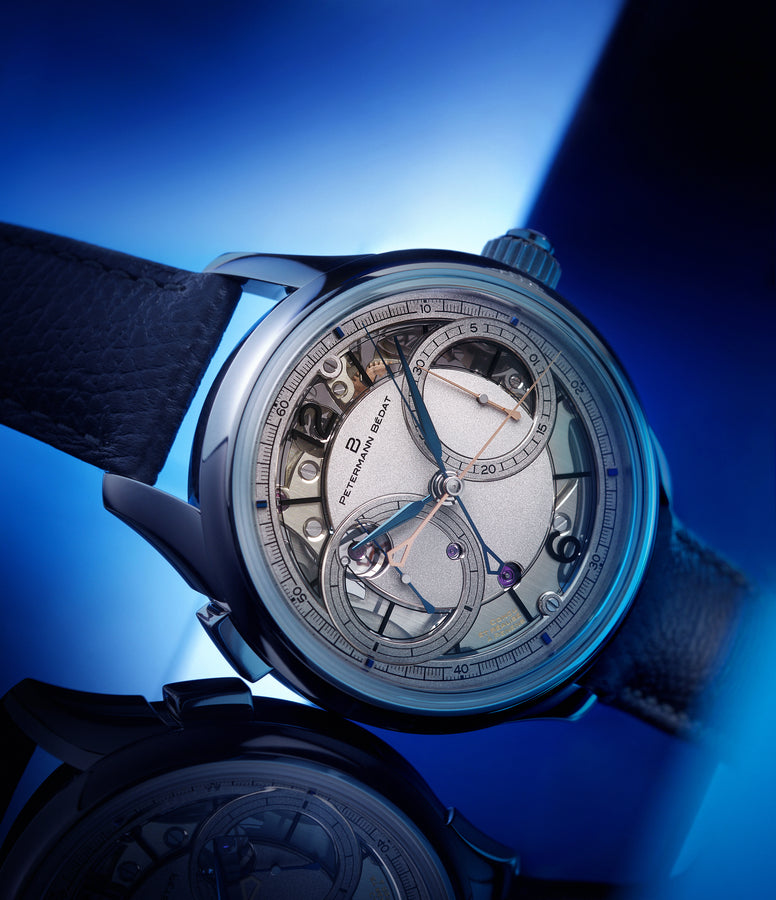

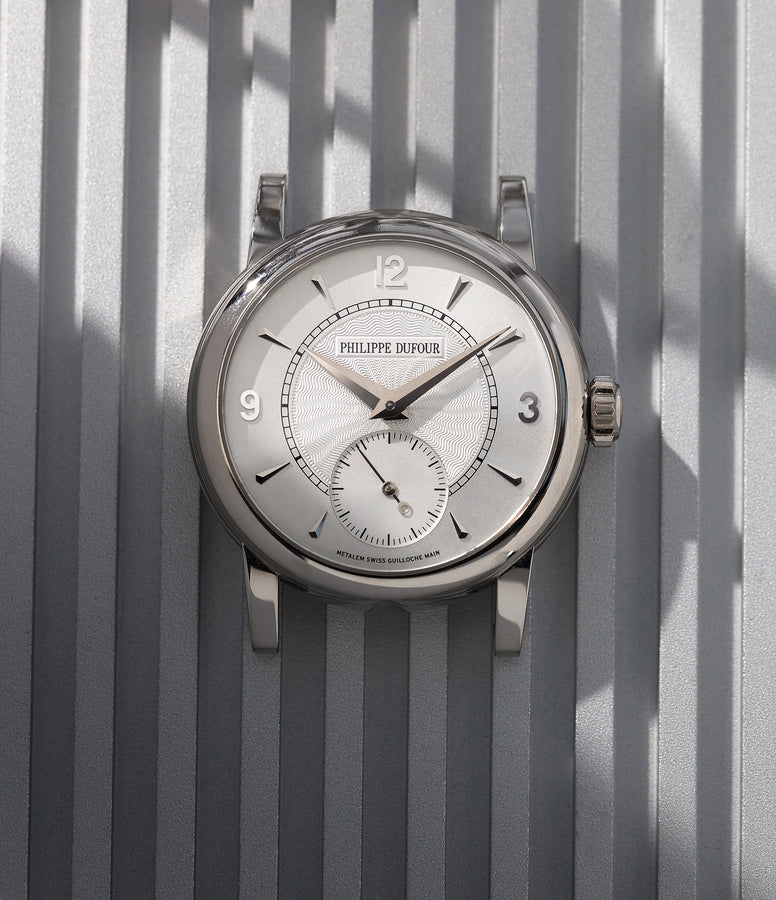


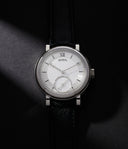
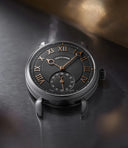




One of just 10 examples in yellow gold, this is an elegant Ulysse Nardin Split-Seconds Chronograph* from the 1990s, powered by a legendary movement — the Venus 179. Discovered as part of a new-old stock cache, these movements have been seen within several notable watches from brands such as Parmigiani Fleurier and Girard-Perregaux, and remain widely considered to be one of the best chronograph movements available.
Our five favourite chronograph
If you ask just about any vintage watch enthusiast, the likelihood is that the chronograph will be their favourite complication. At first glance, it appears simple, almost trivial. However, with a myriad of different designs and functions, few complications have been as significant over the past century, as the chronograph.


As with many things in modern horology, these were first developed as tools, to be used during exhilarating car races, meticulous medical examinations or in more frivolous pursuits. Nowadays, choosing whether to have a chronograph or not is a matter of taste, rather than a question of functionality. It is a choice imbued with romanticism and nostalgia for the past.
Chronograph Watches AT A COLLECTED MAN


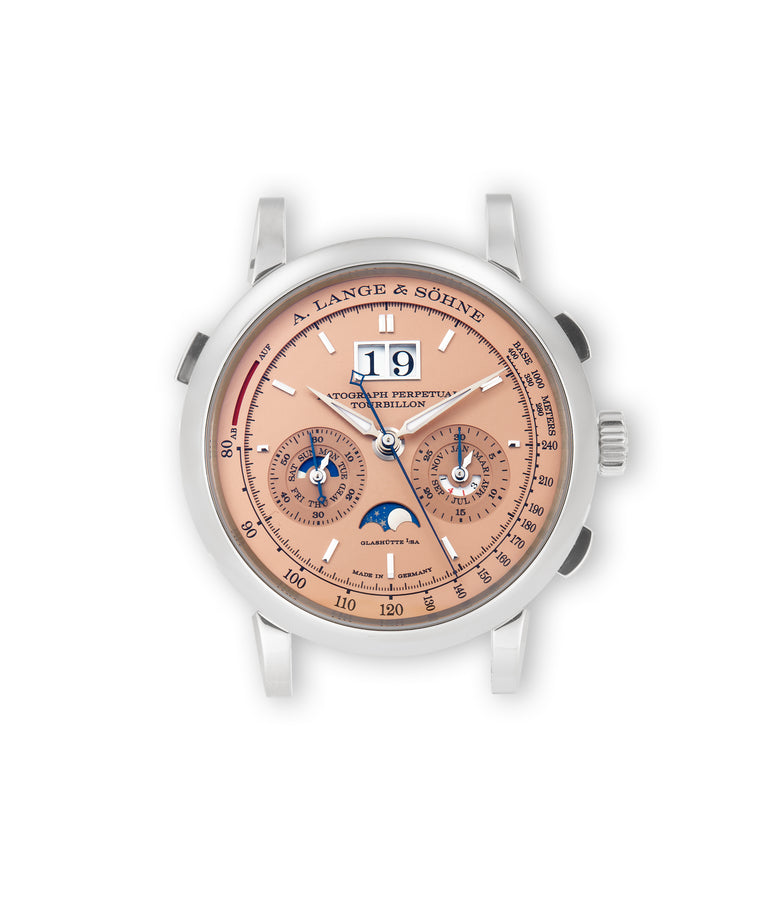









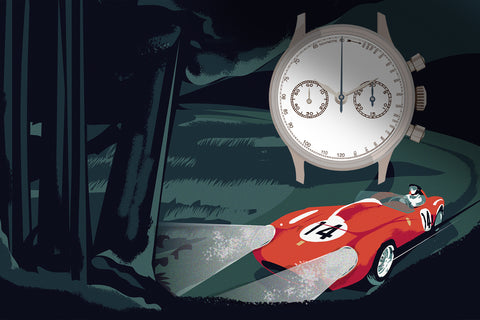
Our five favourite chronograph scales and why they matter
By Russell Sheldrake

The bare bones of the skeletonised watch
By Josh Sims

Making the case for round and shaped watches
By Josh Sims
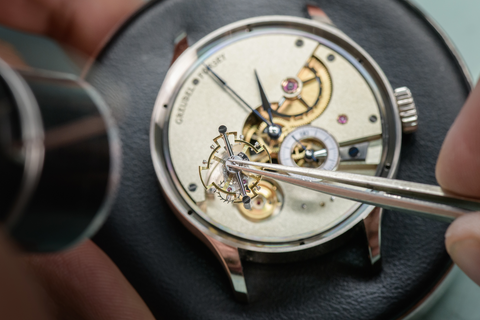
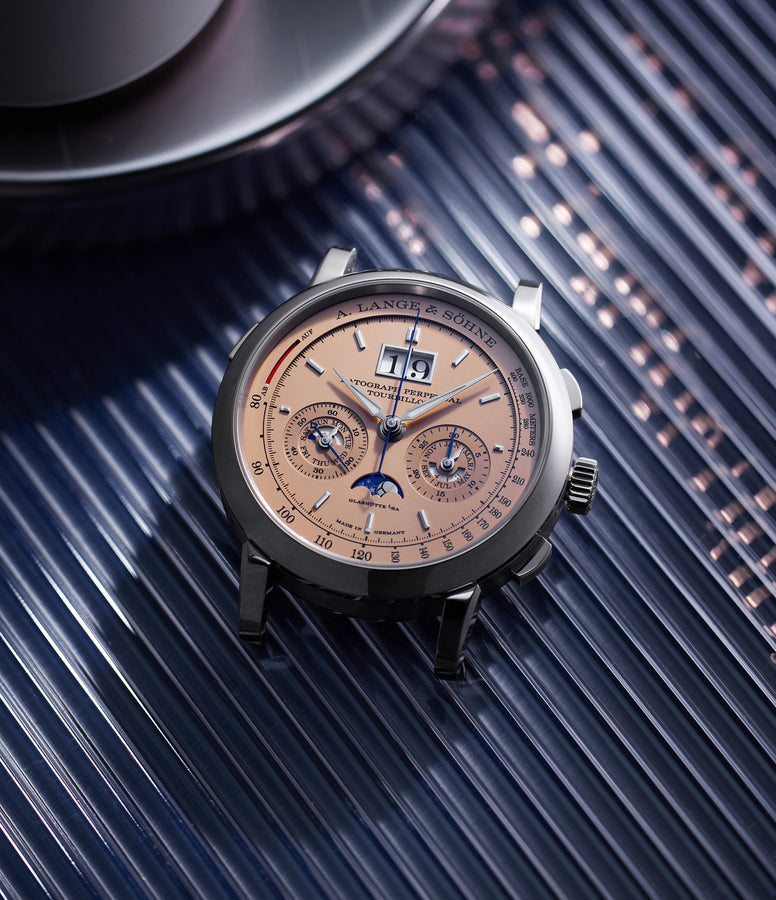
The Tourbillon and why it still matters
By Russell Sheldrake

A collector's guide: The Patek Philippe 3970
By Russell Sheldrake

A collector's guide: Patek Philippe 3800 Nautilus
By Russell Sheldrake

A collector's guide: Asymmetrical watches
By Raj Aditya Chaudhuri

A collector’s guide: The Audemars Piguet Royal Oak ref. 14790
By Russell Sheldrake

Is there still a divide between in-house and Ébauche?
By Felix Scholz

Six collectors choose their favourite lugs
By Russell Sheldrake

What is independent watchmaking?
By A Collected Man

