













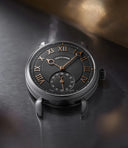







































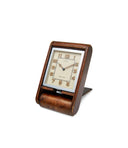

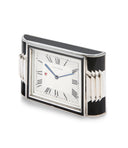



This is a unique example of a Franck Genève Janus Monopusher Chronograph World Time with a 38mm yellow gold case by Jean-Pierre Hagmann. While the Janus was produced in a short series before the watchmaker launched Franck Muller, this particular example is special in that it features a multi-scale secondary chronograph display on the movement side. It is underpinned by a vintage manually wound calibre to which Muller added a world time complication.
WHAT MAKES A NEO-VINTAGE WATCH?
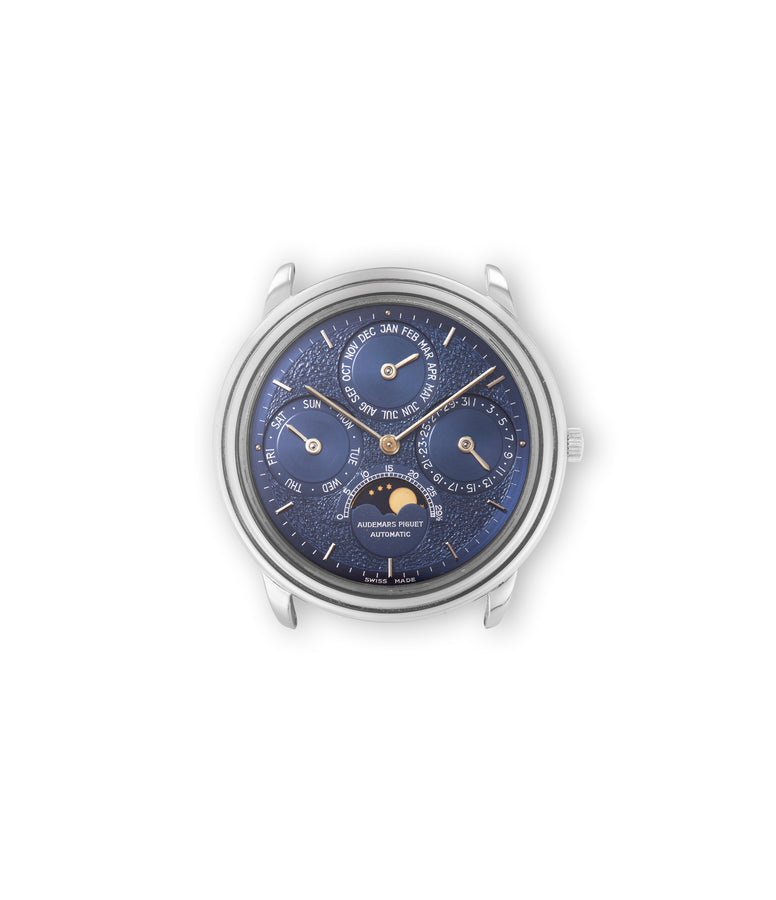
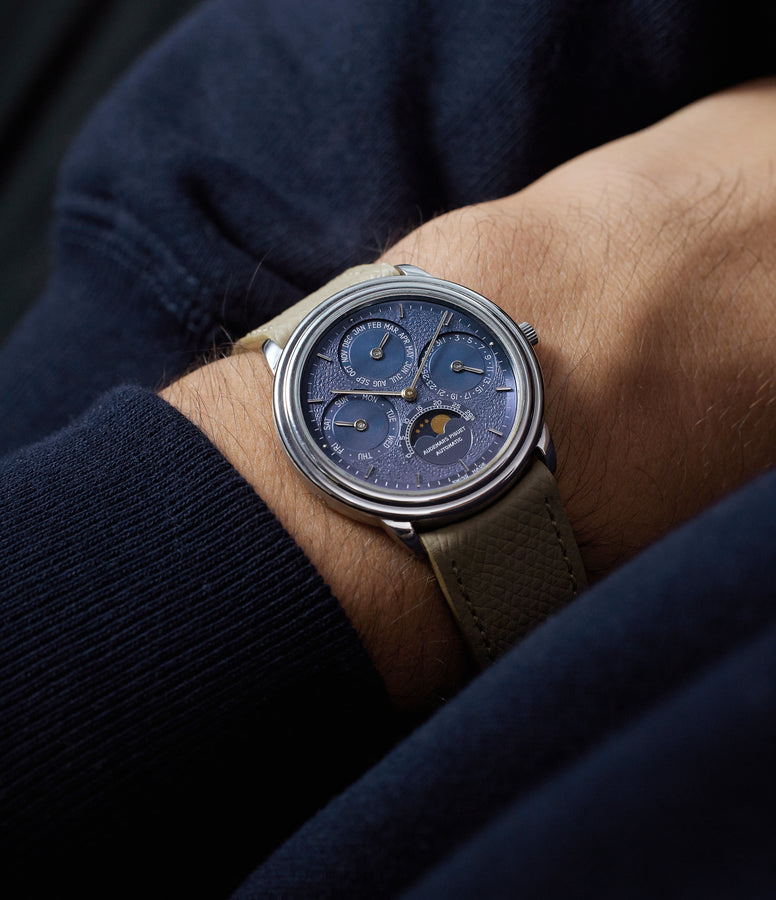
As you might expect, what makes a watch neo-vintage is open to discussion. The logical place to start is at the end of the Quartz Crisis, in the aftermath of a period when the core purpose of mechanical watchmaking had come under threat. Tom Chng, the founder of the Singapore Watch Club, reckons that this event “gave the mechanical watch a new purpose to survive and thrive, not one of necessity, but desirability. For the industry at large, the 1980s was an era of glorious renaissance.” It’s the pieces from this period onwards that we consider to be neo-vintage, with the category probably no longer applying for anything which was made in the last fifteen years or so.


What makes these pieces, and many others, fall under the neo-vintage umbrella is that they combine both vintage and modern influences, by virtue of the transitional period in which they were produced. This tension is clear in several areas, notably aesthetics, materials, manufacturing techniques and the scale of production. At the higher end, things were moving from a more artisanal, hand-made approach to one which relied more heavily on machinery, technology, and innovation.
Neo-vintage watches at A Collected Man


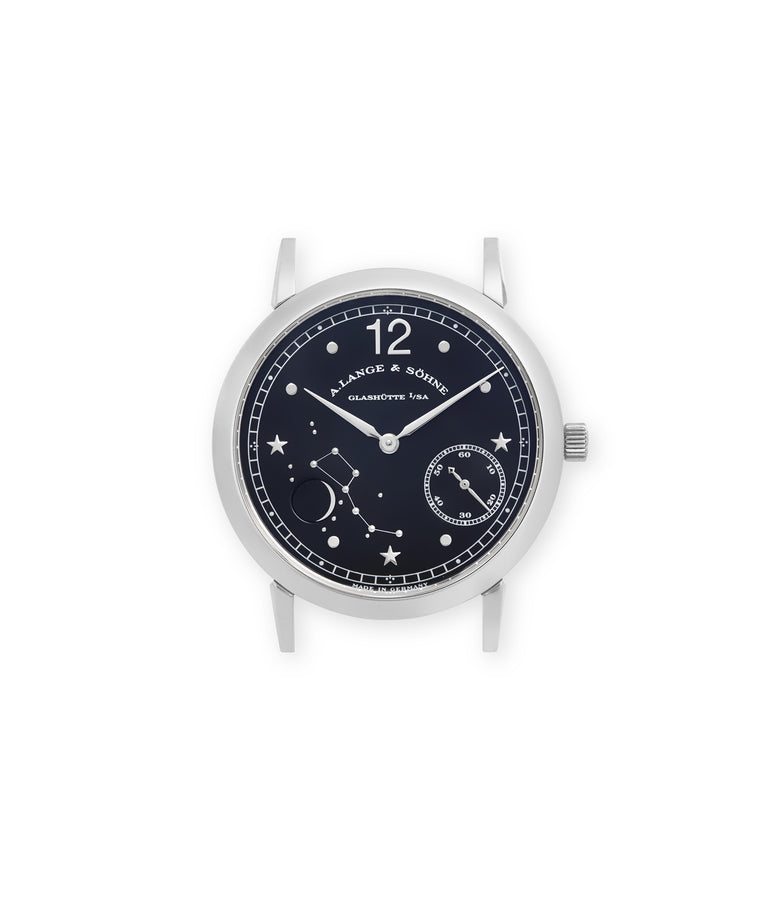
























The rise of Neo-Vintage watches
By Russell Sheldrake

What is independent watchmaking?
By A Collected Man

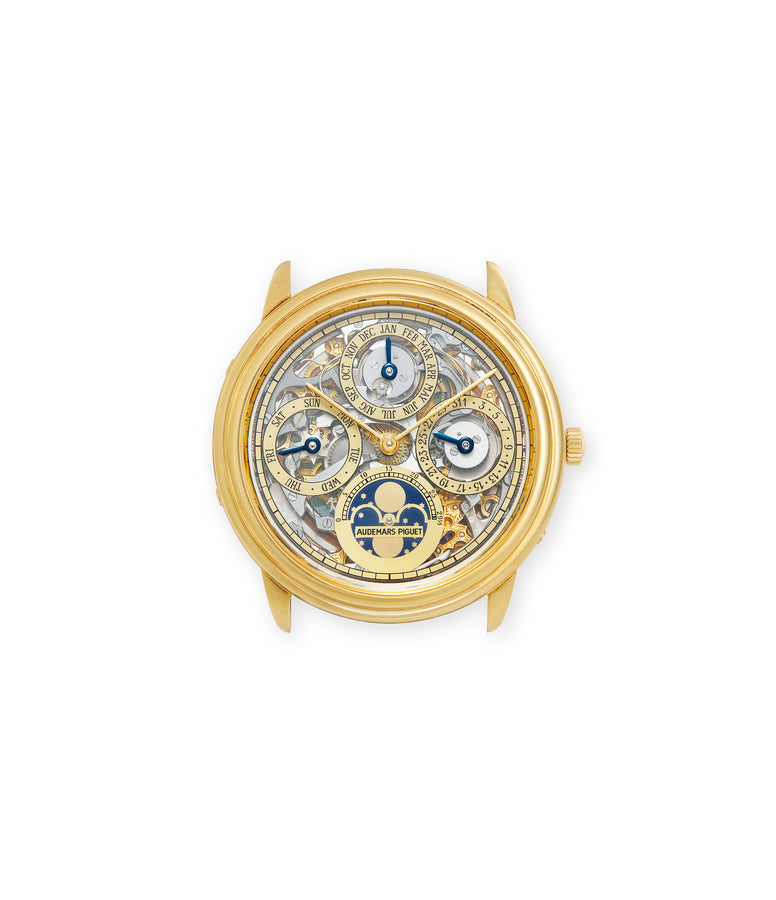
Interview: François-Henry Bennahmias CEO of Audemars Piguet
By Russell Sheldrake

Is there still a divide between in-house and Ébauche?
By Felix Scholz
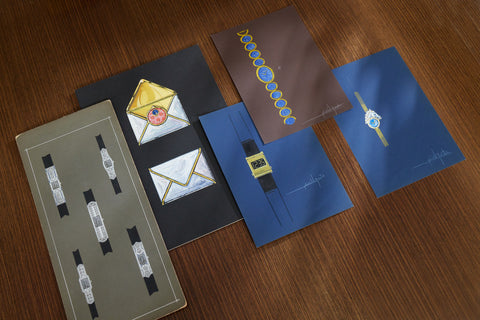
Gérald Genta: Beyond the Royal Oak and Nautilus
By Russell Sheldrake

The bare bones of the skeletonised watch
By Josh Sims

Making the case for round and shaped watches
By Josh Sims
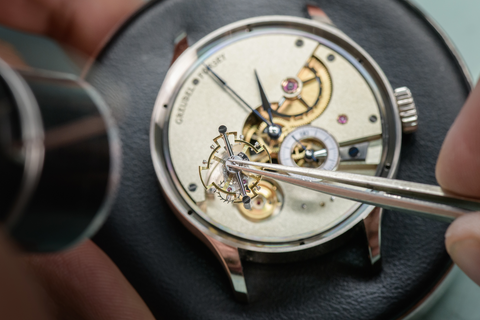
The Tourbillon and why it still matters
By Russell Sheldrake

A collectors’ guide: Early Daniel Roth
By Russell Sheldrake

A collector's guide: Patek Philippe 3800 Nautilus
By Russell Sheldrake

A collectors' guide: Asymmetrical watches
By Raj Aditya Chaudhuri

